Hubert Wang Steps Into COO Position at Sands China Ltd

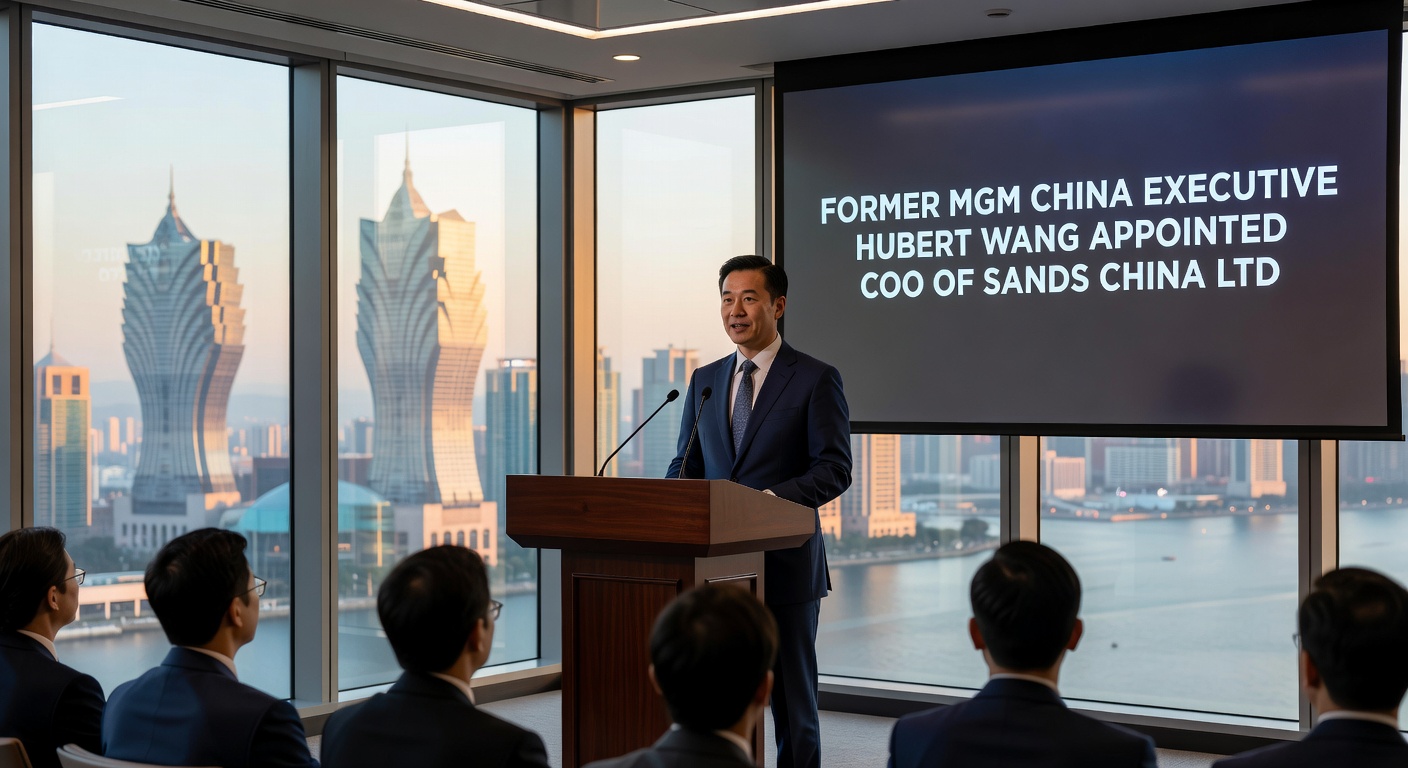
Former MGM China executive Hubert Wang has taken the role of chief operating officer at Sands China Ltd, a major operator in the Macau casino market, with the appointment reported on May 29, 2026, as part of broader executive shifts across the Asian gaming sector. The move places Wang in a key operational position at a company that runs multiple integrated resorts on the Cotai Strip, where daily management of gaming floors, hospitality services, and regulatory compliance falls under the COO's oversight.
Wang brings experience from his previous tenure at MGM China, where he handled operational duties tied to resort development and market expansion in the region. Observers note that such transitions often reflect companies' efforts to align leadership with evolving regulatory frameworks and competitive pressures in Macau, which continues to dominate global gaming revenue figures according to industry data from the Macao Gaming Inspection and Coordination Bureau.
Context of the Appointment in Macau's Gaming Landscape
Macau's casino operators have navigated a period of recovery and adjustment since the pandemic, with Sands China maintaining a portfolio that includes The Venetian Macao, The Parisian Macao, and Sands Cotai Central. The appointment of Wang coincides with ongoing adjustments in executive teams across operators, as firms respond to visitor flow patterns and infrastructure projects that influence long-term revenue streams. Data from the Statistics and Census Service of Macao shows fluctuating monthly gross gaming revenues, which underscores why operational leadership changes attract attention from stakeholders tracking sector stability.
Those familiar with the industry point out that Sands China operates under the Las Vegas Sands Corp umbrella, and leadership selections like this one can signal internal strategies for maintaining market share against competitors such as Wynn Macau and Melco Resorts. Wang's background in China-focused gaming operations positions him to address day-to-day challenges ranging from staff coordination to compliance with local concession terms that run through 2032 for major operators.
Details Surrounding the Executive Move
The announcement, first noted in reports dated May 29, 2026, highlights Wang's direct transition from MGM China without an extended transition period mentioned in initial coverage. Sands China Ltd has not released additional statements on specific mandates for the new COO, yet the timing aligns with quarterly performance reviews that typically examine operational efficiencies in areas like table games utilization and non-gaming amenities. People who follow these developments often track how new executives integrate into existing teams responsible for properties that collectively employ thousands across hospitality, security, and entertainment divisions.
Regulatory filings and corporate disclosures from Sands China emphasize continuity in governance structures, and this particular change fits within patterns where experienced executives move between major players in the same jurisdiction. Research from academic institutions such as the University of Macau's gaming studies programs has examined similar leadership patterns, noting that cross-company moves can bring fresh perspectives on supply chain management and customer segmentation without disrupting core concession obligations.
Broader Executive Shifts in Asian Gaming During 2026
While this story centers on Wang's appointment, it occurs amid several other personnel updates at Asian operators, including roles at properties in Singapore and the Philippines where integrated resort models mirror those in Macau. Government agencies in those regions, such as the Casino Regulatory Authority of Singapore, publish annual reports that track executive qualifications and their impact on license renewals. The 2026 date places these moves in a window when post-recovery tourism metrics, including arrivals from mainland China, continue to shape staffing priorities at Sands China facilities.
Industry organizations like the Asian Gaming Association compile data on workforce trends, revealing that COOs in this sector frequently oversee initiatives tied to responsible gaming protocols and digital payment integrations that have gained traction in recent years. Wang's prior role at MGM China likely exposed him to comparable systems, which could streamline adoption at Sands China properties that host high volumes of international visitors alongside domestic players.
Operational Implications for Sands China
Daily functions at Sands China include coordination across multiple sites where gaming revenue constitutes the primary income source, supplemented by hotel occupancy and retail leasing. The COO role typically involves direct reporting lines to the chief executive while managing vice presidents responsible for food and beverage, entertainment programming, and security protocols that comply with standards set by the Macao authorities. Observers who monitor these companies note that appointments announced in late May often precede mid-year strategy sessions focused on budget allocations for property maintenance and expansion projects already underway on the Cotai Strip.
Financial disclosures filed with regulatory bodies show Sands China maintaining consistent capital expenditures in areas such as technology upgrades for table game monitoring and customer loyalty platforms. Wang's arrival provides an opportunity for the company to sustain these efforts while adapting to any shifts in visitation patterns documented in official tourism statistics from the Macao Government Tourism Office.
Conclusion
The appointment of Hubert Wang as COO at Sands China Ltd represents a targeted leadership adjustment within one of Macau's largest casino groups, reported on May 29, 2026, and situated within wider executive activity across the Asian gaming market. Details from corporate announcements and sector data illustrate how such moves support ongoing operational demands at integrated resorts that drive significant portions of regional economic activity. Continued tracking through official channels like the Macao Gaming Inspection and Coordination Bureau and research outlets such as the CDC Gaming reports will provide further context on how this transition unfolds in practice.