How Diverse Regulatory Environments Control the Order of Casino Game Introductions Around the World
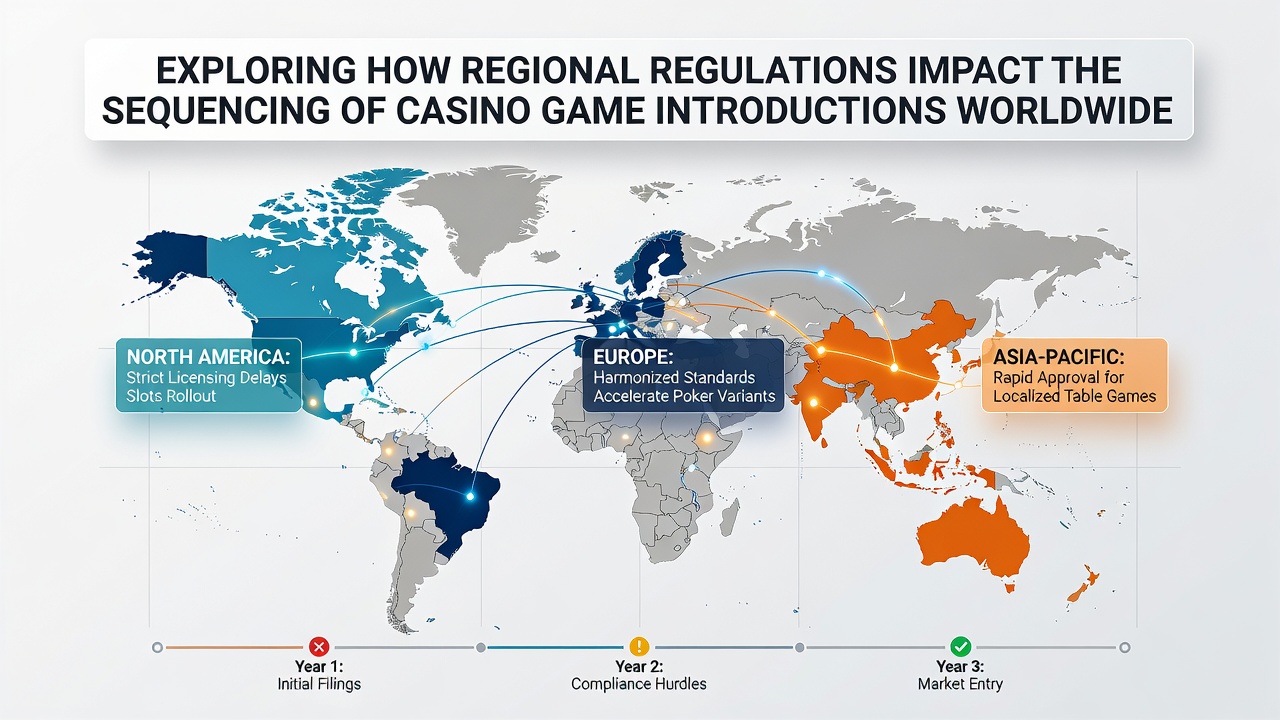
Regional regulations play a decisive role in determining when casino games reach players in different markets, creating a staggered pattern of introductions that varies by jurisdiction and often shifts based on licensing requirements, testing protocols, and compliance standards. Data from industry reports shows that operators must navigate distinct approval timelines in places like Nevada, Singapore, and parts of Europe, where local authorities mandate specific technical evaluations before any new title can launch. These processes frequently result in games debuting first in less restrictive regions while facing delays elsewhere, shaping the overall sequence of worldwide releases.
Core Regulatory Mechanisms Across Key Markets
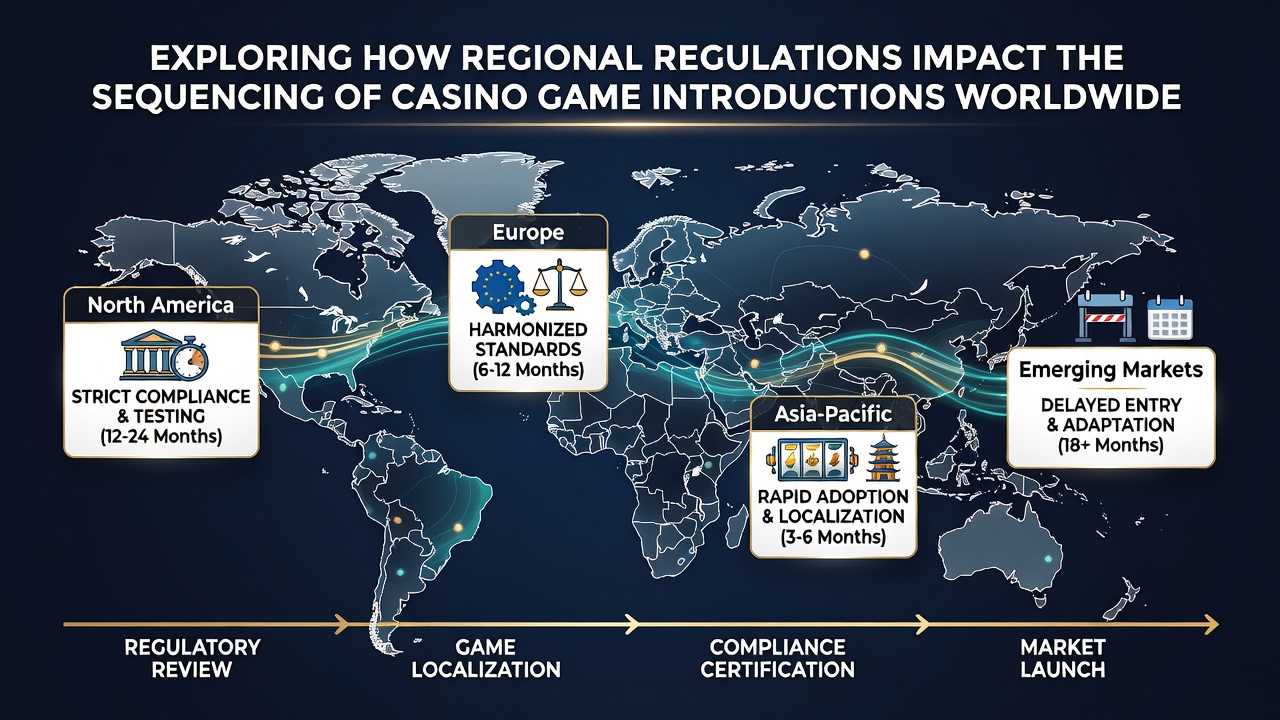
Each major gaming jurisdiction imposes its own set of rules that directly influence release sequencing, and observers note that these frameworks rarely align. In the United States, state-level bodies such as the Nevada Gaming Control Board require rigorous game testing and certification through approved labs, which can extend approval periods by several months compared to jurisdictions with streamlined digital submission systems. Meanwhile, Singapore's Casino Regulatory Authority enforces strict localization standards that include cultural content reviews and financial transaction safeguards, pushing back introduction dates for titles that must first clear these additional layers. Canadian provinces operate under varying provincial guidelines where Ontario's iGaming regime, for instance, demands real-time reporting integrations that alter launch calendars relative to other regions.
European markets add another layer of complexity through national variations within broader EU directives, and research indicates that countries like Malta and the Netherlands apply certification processes that prioritize consumer protection metrics before permitting new game deployments. These differences mean a single provider might release an updated slot title in one European country during early 2026 while holding back the same product in neighboring states until compliance audits conclude. According to figures from the Nevada Gaming Control Board, average certification times in that state averaged 12 to 16 weeks in recent periods, creating predictable gaps between initial global announcements and actual player access.
Sequencing Patterns Observed in 2026
By June 2026, industry tracking reveals continued adjustments in release orders driven by evolving compliance demands, particularly as regulators incorporate new standards around responsible gaming features and data security protocols. Operators often prioritize markets with faster turnaround times for initial launches, then expand into stricter regions once core approvals are secured. This approach produces a common pattern where Asian markets with centralized oversight, such as those managed by Singapore authorities, receive certain live dealer innovations later than North American online platforms that allow modular updates.
What's interesting is how these regulatory sequences interact with provider strategies, and evidence suggests that companies coordinate submissions across multiple jurisdictions simultaneously to minimize overall delays. Yet the actual rollout order still depends heavily on which authority completes its review first. Data shows that games featuring progressive jackpot mechanics frequently encounter extended scrutiny in markets requiring independent financial audits, pushing their introduction behind simpler titles in the global sequence.
Impact on Provider and Operator Planning
Providers adjust development and certification pipelines based on anticipated regulatory bottlenecks, and researchers have documented how this leads to prioritized testing for jurisdictions known for quicker approvals. One study revealed that studios often sequence their internal quality assurance phases to align with the strictest requirements first, allowing smoother transitions into other markets afterward. Those who've examined release data across 2025 and into 2026 observe that this method reduces redundant work while still respecting each region's unique demands for localization and player safeguards.
Operators face similar constraints when selecting which games to promote in specific territories, since regulatory approval status dictates availability. Reports from the Australian Gambling Research Centre highlight how state variations in Australia create additional sequencing layers, where New South Wales rules on bonus mechanics differ enough from Victorian standards to affect when certain features become accessible to players. This fragmentation encourages operators to maintain separate content libraries that reflect current approval statuses rather than uniform global catalogs.
Future Considerations for Global Coordination
Efforts toward greater harmonization remain limited, though some international bodies explore shared certification frameworks that could eventually compress these timelines. Until such changes materialize, the existing patchwork of regulations will continue dictating the order in which new casino games reach different parts of the world. Observers tracking developments through mid-2026 note that any shifts in approval processes tend to ripple through the entire sequence, affecting both providers and the markets they serve.
Conclusion
Regional regulations establish a clear hierarchy of launch sequences by imposing distinct testing, certification, and compliance hurdles that vary widely across jurisdictions. The result is a global introduction pattern where timing depends less on provider readiness and more on which authorities complete their reviews first. As markets evolve through 2026 and beyond, these regulatory dynamics will keep shaping how and when casino games become available to players worldwide.