Economic Shifts and Cryptocurrency Volatility Shape Launch Strategies for New Online Gambling Platforms
Henrik Vogel · Jul 24, 2026
Economic Shifts and Cryptocurrency Volatility Shape Launch Strategies for New Online Gambling Platforms
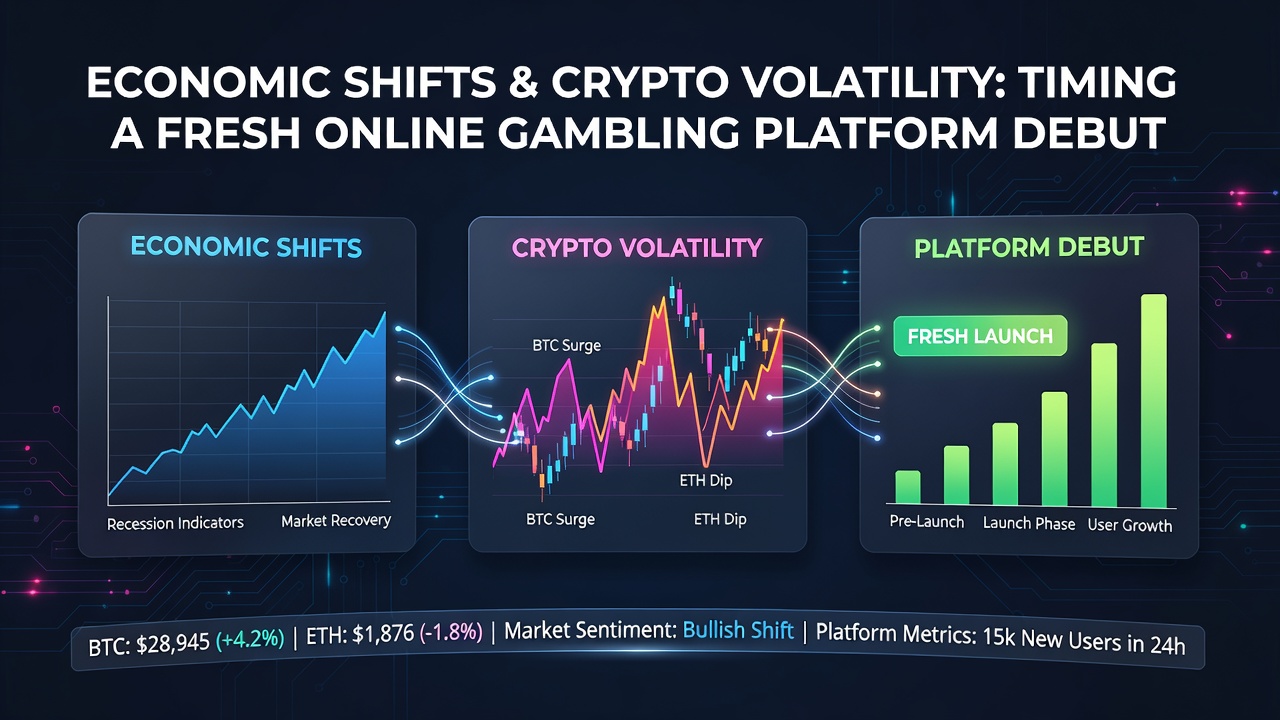
Economic conditions and digital currency price movements have long played roles in determining when operators introduce new betting sites, with companies monitoring inflation rates, interest changes, and asset swings before committing resources to fresh launches. Data from multiple markets shows that operators often delay or accelerate debuts based on these factors, since consumer spending patterns shift noticeably during periods of uncertainty. In July 2026 several platforms adjusted their rollout calendars after observing sustained volatility in major cryptocurrencies, which directly affected deposit volumes and promotional budgets.
Macroeconomic Pressures on Operator Planning
Global economic indicators such as GDP growth, unemployment figures, and consumer confidence indices influence the capital available for marketing and technology infrastructure, while operators track these metrics closely because downturns typically reduce discretionary spending on entertainment platforms. Research from the American Gaming Association indicates that online gambling revenue correlates with broader retail spending trends, prompting companies to time introductions when recovery signals appear. Those who have studied market cycles note that operators in North America and Europe frequently align launches with quarterly economic reports, allowing them to calibrate bonus structures and payment options accordingly.
Regulatory bodies in Australia and Canada have released data showing similar patterns, where economic slowdowns lead to fewer new site approvals or extended review periods as authorities assess financial stability of applicants. And because compliance costs rise during uncertain times, many firms consolidate development efforts rather than pursuing simultaneous market entries.
Cryptocurrency Fluctuations and Deposit Dynamics
Bitcoin and Ethereum price swings create immediate effects on player acquisition costs and transaction volumes, since many modern platforms accept digital assets as primary funding methods. When crypto markets experience sharp corrections, deposit activity drops and operators respond by postponing launches until stability returns, because promotional campaigns tied to volatile currencies carry higher risk. Figures from industry reports reveal that platforms relying heavily on cryptocurrency payments experienced revenue dips of up to 25 percent during major 2025 corrections, leading several firms to reschedule 2026 debuts.

Payment processors and wallet providers also adjust their fee structures during high-volatility periods, which further complicates budgeting for new entrants. Observers note that companies often wait for crypto prices to stabilize above key thresholds before activating marketing pushes, since user confidence in depositing digital assets rebounds faster under those conditions. This approach has become standard among operators targeting younger demographics who favor crypto over traditional banking rails.
Regional Examples and Timing Patterns
In European markets, operators have synchronized launches with European Central Bank policy announcements, since interest rate decisions affect both venture funding availability and player disposable income. One study conducted by researchers at the University of Melbourne found that Australian-facing platforms delayed multiple 2026 introductions following local economic data releases that signaled weaker household spending. Meanwhile, firms operating in Latin American jurisdictions have adopted flexible timelines that allow rapid activation once cryptocurrency trading volumes recover, capitalizing on regional preferences for digital payments.
Canadian regulatory updates in early 2026 highlighted how provincial licensing boards now request detailed economic impact assessments from applicants, which includes stress testing against crypto volatility scenarios. This requirement has extended preparation phases for several new entrants, though it also provides clearer guidance on acceptable launch windows.
Strategic Adjustments in July 2026
By July 2026 multiple operators had publicly referenced economic forecasts and cryptocurrency forecasts when announcing revised debut schedules, with several citing improved market conditions as the catalyst for moving forward. Industry associations tracking these announcements report that platforms using diversified payment methods, including both fiat and stablecoins, maintained more consistent launch timelines than those dependent on single volatile assets. Data indicates that such diversification reduces exposure to sudden market shifts and allows operators to proceed even when one asset class experiences turbulence.
What's notable is how these timing decisions now incorporate real-time analytics dashboards that monitor both macroeconomic releases and blockchain transaction volumes simultaneously, enabling faster pivots than in previous years.
Conclusion
Economic shifts combined with cryptocurrency volatility continue to dictate precise launch windows for emerging online gambling platforms across multiple jurisdictions, with operators relying on data from regulatory sources and academic studies to guide decisions. As markets evolve, companies integrate broader financial indicators into their planning processes, resulting in more measured and responsive introduction strategies that align with observed spending and investment patterns.